
Trademark
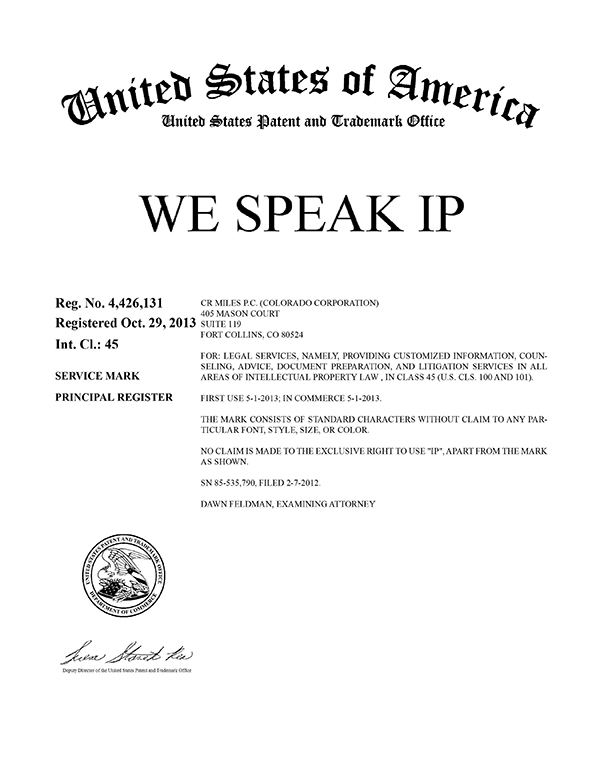 What Is A Trademark?
A thoughtful trademark strategy turns words, symbols, colors, product packaging shapes, sounds and smells, or any combination of these if used in a way that identifies and distinguishes the source of the goods and/or services of one party from those of others. However, features of a product that are functional in nature or words or symbols that are generic or merely descriptive may not be able to serve as a trademark by themselves.
How To Use Trademarks to Direct Traffic.
Commercial success or failure of a product often is determined by ready identification by the consumer. A trademark is capable of distinguishing a particular manufacturer or seller's products or services from the products of another. Trademark law furthers the goal of ready identification of the source of goods by regulating the proper use of trademarks. When marks are used to identify the source of services, they are called service marks. Proper use of a trademark in association with goods or services directs traffic to the manufacturer or seller of the product or service.
Be Thoughtful in Product Development.
Careful consideration of how a product is packaged and marked during product development is paramount to ensure that opportunities are not overlooked to turn words, logos, slogans, colors, product configurations and packaging shapes, sounds, and smells into commercially valuable assets.
Trademark strategy, thoughtfully coordinated with brand development, can result in trademark rights that provide legal protection for the product features that induce the consumer to purchase one product over another.
Ensure Your Trademark Doesn’t Infringe.
If a party owns the rights to a particular trademark, any subsequent use of another mark that is likely to cause consumer confusion in association with the same or similar goods may constitute trademark infringement.
A poorly developed branding strategy will in the long run be more costly to maintain and protect than the cost of thoughtful identification and clearance of trademarks in advance of commercial use. It’s essential to make a long-term plan when considering how to trademark your goods and services so as to promote growth while ensuring protection.
Know Other Advantages of Registering Trademarks.
Trademark registration with the United States Patent and Trademark Office confers a number of benefits to the registrant in addition to those described above:
• Gives the registrant the right to use the trademark registration symbol ®
• May give a party protection for the mark nationwide, even if actual sales are in a limited area
• Constitutes nationwide constructive notice to others of the registrant’s claim of ownership in the trademark
• Acts as a bar to the registration of another confusingly similar mark
• Enables the registrant to bring an infringement suit in federal court
• Allows the registrant to potentially recover treble damages, attorney fees, and other remedies
• After five years, the registered trademark may become "incontestable"; the exclusive right to use the mark may be conclusively established in the registrant, subject to certain statutory defenses
• May serve as the basis for an international trademark application